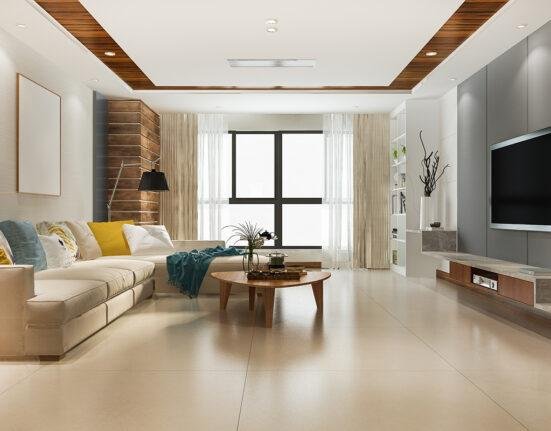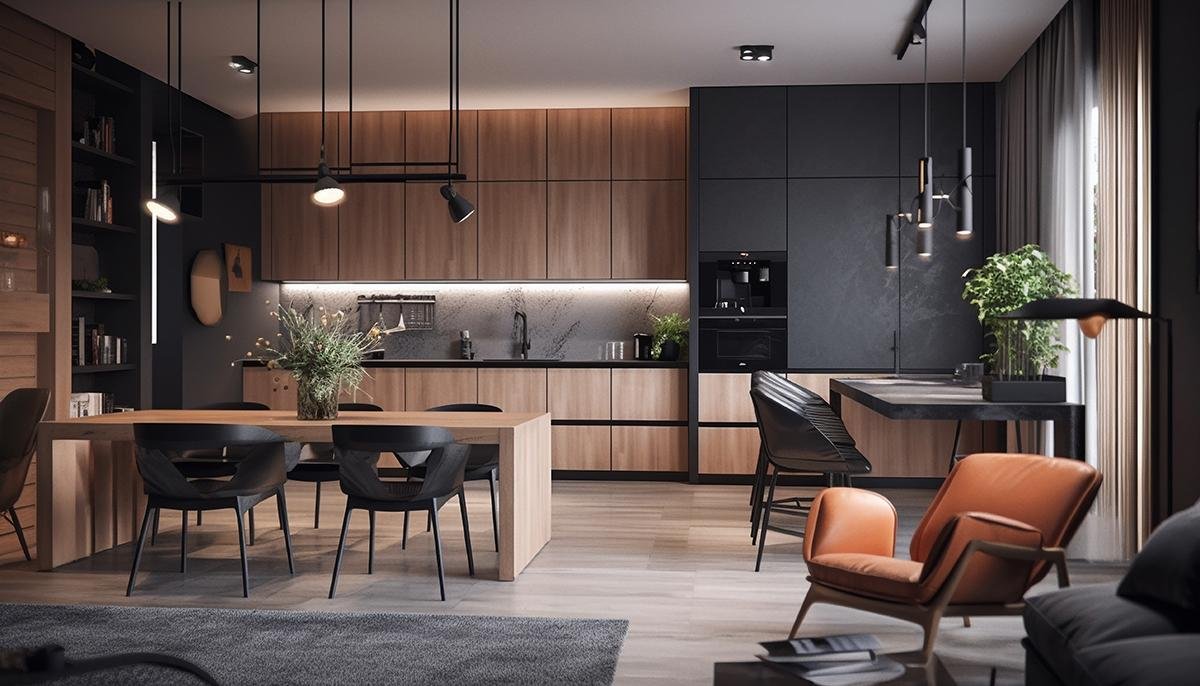
Renovation Does Not Have to Mean Starting From Scratch
Home renovation is often associated with major construction, expensive materials and long project timelines. In reality, homeowners can make a noticeable difference to their living space without completely rebuilding or replacing everything.
In 2026, a practical renovation approach is increasingly focused on improving the areas that matter most. A better layout, fresh finishes, improved lighting, updated storage or a more efficient kitchen can change how a home feels without requiring an unlimited budget.
The key is to decide what genuinely needs changing before work begins. A clear plan can prevent unnecessary purchases and help homeowners put more of their budget towards improvements that provide lasting value.
Start With a Realistic Renovation Budget
The first step in any renovation should be establishing how much you are comfortable spending. This sounds obvious, but many projects become expensive because homeowners begin choosing materials and finishes before understanding the overall budget.
A useful budget should include labour, materials, delivery, permits where applicable and other project-related costs. It is also sensible to keep some money aside for unexpected problems. Older homes can sometimes reveal plumbing, electrical, structural or moisture issues once walls or floors are opened.
Having a contingency amount does not mean expecting something to go wrong. It simply gives the project some financial flexibility if an unavoidable issue appears.
Decide Which Rooms Need the Most Attention
Trying to renovate every room at the same time can quickly increase both cost and stress. A more manageable approach is to identify the areas that have the greatest impact on everyday life.
For some homeowners, the kitchen may be the priority. For others, an outdated bathroom, poor storage, damaged flooring or an uncomfortable living area may deserve attention first.
Creating a priority list can help separate essential work from improvements that can wait. This allows homeowners to complete the most important parts of the renovation without stretching the budget unnecessarily.
Refresh Instead of Replace Where Possible
One of the simplest ways to control renovation costs is to avoid replacing items that are still in good condition. Not every outdated feature needs to be removed completely.
Kitchen cabinets, for example, may only need new handles, paint or updated doors rather than complete replacement. Existing furniture can sometimes be refinished, while doors and trim may look significantly better after careful preparation and repainting.
The same principle can apply to flooring, bathroom fixtures and lighting. If the underlying structure is sound, a targeted refresh may deliver the visual improvement without the cost of a complete replacement.
Paint Can Make a Major Difference
Paint remains one of the most practical renovation tools available to homeowners. Changing wall colours can alter the appearance and atmosphere of a room without requiring major construction.
Light and neutral shades can make smaller spaces feel more open, while stronger colours can be used to create a feature wall or add personality to a room. Ceilings, doors, trims and other painted surfaces can also be refreshed as part of the project.
Good preparation is important. Cleaning surfaces, repairing imperfections and using suitable primers can often make a bigger difference to the final result than simply choosing an expensive paint.
Improve Lighting Before Changing Everything Else
Poor lighting can make an otherwise attractive room feel uncomfortable. Before spending heavily on decorative features, homeowners should consider whether the lighting is doing the space justice.
A combination of ceiling lighting, task lighting and accent lighting can make rooms more functional. Kitchens may benefit from focused lighting over work areas, while living rooms can use softer lighting to create a more relaxed environment.
Replacing outdated fixtures can also provide a relatively simple visual update. Where electrical work is required, it should be carried out by a suitably qualified professional.
Upgrade the Kitchen Strategically
Kitchen renovations can become expensive very quickly, particularly when cabinets, appliances, worktops and plumbing are all replaced at once.
Homeowners working with a limited budget can consider which parts of the kitchen genuinely need changing. Updating cabinet fronts, handles, lighting, splashbacks or worktops may provide a significant visual improvement without changing the entire layout.
Keeping the existing plumbing and basic kitchen configuration can also reduce the amount of construction involved. If the current layout works well, there may be little reason to move sinks, appliances and other connections simply for cosmetic reasons.
Bathrooms Can Be Improved Without a Complete Rebuild
A bathroom does not always require a full demolition to look modern and functional. Replacing selected fixtures, updating mirrors, improving lighting or changing wall finishes can create a noticeable difference.
Storage is another area worth considering. Wall-mounted cabinets, recessed shelving and practical organisers can make better use of limited space.
However, waterproofing, plumbing and electrical work should receive proper attention. Cosmetic improvements are useful, but they should never come at the expense of the underlying systems that keep a bathroom safe and functional.
Flooring Choices Can Affect the Budget
Flooring can influence both the appearance and cost of a renovation. The right choice depends on the room, expected foot traffic, maintenance requirements and available budget.
Instead of installing premium flooring throughout the entire property, homeowners can prioritise areas where the existing floor is most damaged or outdated. Other rooms may only require professional cleaning, refinishing or minor repairs.
It is also important to consider installation costs when comparing materials. A product that looks inexpensive at the store may become considerably more expensive once preparation, underlay, delivery and installation are included.
Make Storage Part of the Renovation
Storage is one of the improvements that can make a home feel better without dramatically changing its appearance. Clutter can make rooms feel smaller and less organised, even when the underlying space is perfectly adequate.
Built-in shelving, under-stair storage, wardrobe organisers and multi-purpose furniture can help homeowners use existing space more efficiently.
Good storage does not necessarily mean adding large cabinets everywhere. Sometimes a few carefully planned solutions can remove everyday clutter and make the entire home feel more spacious.
Reuse Materials When It Makes Sense
Reusing suitable materials can reduce renovation costs and minimise unnecessary waste. Existing doors, furniture, cabinets and other features may have plenty of useful life remaining.
Some homeowners also choose reclaimed or refurbished materials to give their homes a distinctive appearance. This can work particularly well with timber, furniture and decorative features.
The important consideration is condition. Materials should only be reused when they remain structurally sound and appropriate for their intended purpose.
Do Not Ignore Energy Efficiency
A renovation is a good opportunity to consider how efficiently a home uses energy. Some improvements may require additional investment initially but can provide practical benefits over time.
Depending on the property, homeowners might consider insulation, efficient lighting, improved windows, weather sealing, efficient appliances or better heating and cooling controls.
The right upgrades depend on the home’s existing condition and local climate. Rather than installing every available energy-related product, it is better to identify where the property is losing comfort or using unnecessary energy and address those areas first.
Choose Materials Based on Durability
The cheapest material is not always the least expensive choice over the long term. A low-cost product that needs frequent repair or replacement can eventually cost more than a durable alternative.
High-use areas such as kitchens, bathrooms, hallways and entrances generally benefit from materials that can handle regular wear.
Homeowners should consider maintenance as well. A surface that looks impressive but requires constant cleaning may not be the most practical choice for a busy household.
Know When to Hire a Professional
DIY work can reduce costs for suitable projects, particularly painting, basic decorating and some straightforward improvements. However, not every renovation task should be treated as a DIY project.
Electrical, plumbing, structural and other specialist work can involve safety risks and may require qualified professionals or approval depending on local requirements.
Hiring a professional for complex work can also help prevent expensive mistakes. A poorly completed installation may eventually require more money to correct than the original professional service would have cost.
Get Multiple Quotes for Major Work
When professional work is required, comparing several detailed quotes can help homeowners understand the expected cost. A quote should make it reasonably clear what work is included, which materials are being used and whether additional costs may apply.
The lowest quote is not automatically the best option. Homeowners should consider experience, references, scope of work, communication and the quality of materials alongside price.
Clear communication at the beginning can also reduce misunderstandings once work has started.
Avoid Trends That May Quickly Date the Home
Home design trends can be useful sources of inspiration, but following every trend can make a renovation expensive and difficult to maintain over time.
For larger permanent features, a timeless design can provide more flexibility. Trends can still be introduced through items that are easier and less expensive to replace, such as artwork, curtains, cushions, lighting accessories and other decorative elements.
This approach allows homeowners to give their property a modern appearance without redesigning the entire space every few years.
Plan the Work in the Right Order
Renovation work becomes easier to manage when tasks are completed in a sensible sequence. Structural repairs and essential systems generally need to be addressed before decorative finishes.
For example, there is little value in painting a wall before electrical or plumbing work that may require the wall to be opened. Similarly, installing new flooring before other messy construction can result in unnecessary damage.
A simple project schedule can help prevent repeated work and protect the renovation budget.
Focus on Improvements That Support Everyday Life
A successful renovation is not only about making a home look better. It should also make the property easier and more comfortable to use.
Better storage, improved lighting, a more practical kitchen layout, easier-to-clean surfaces and comfortable living areas can have a noticeable effect on daily routines.
Homeowners should therefore think about how they actually use each room rather than designing the space purely around photographs or current trends.
Final Thoughts
Home renovation in 2026 does not have to involve an enormous budget or a complete transformation. With careful planning, homeowners can make meaningful improvements by focusing on priority areas, reusing suitable features and choosing materials that balance appearance, durability and cost.
Small changes such as fresh paint, better lighting and improved storage can sometimes transform a room, while larger projects can be approached in stages rather than completed all at once.
The most practical renovation is one that fits both the home and the homeowner’s budget. By planning carefully, comparing options and investing where improvements genuinely matter, it is possible to create a more comfortable and functional space without unnecessary spending.